
Informacje zawarte na stronie pochodzą z naszych doświadczeń i zastosowań praktycznych u producentów.
KONTAKT
Zamówienia mikoryzy profesjonalnej:
Włodzimierz Szałański
Właściciel
tel. +48 502 236 128
Rudy 84, 24-130 Końskowola
e-mail: mikoryza@mykoflor.pl
contact in English on business matters / общение на русском языке по деловым вопросам:
Kamil Staszewski
tel. +48 697 554 141
e-mail: kamil@berrylu.pl
Sklep detaliczny:
Marcin Korczyński
tel. +48 500 799 882
Usługi mikoryzacyjne:
mgr Jerzy Nieswadba
tel. +48 500 031 733
tel. +48 602 535 417
e-mail: jurek@mykoflor.pl
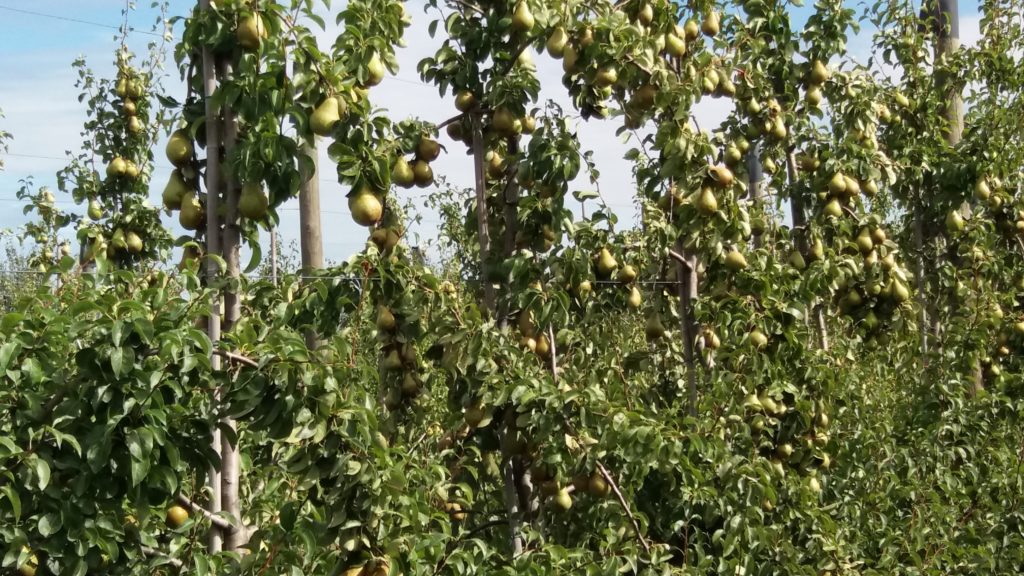
Proekologiczne metody poprawy jakości środowiska glebowego, plonowania i jakości plonów w produkcji ogrodniczej !
Problemy producentów upraw roślinnych z dostosowaniem się do wymogów nowoczesnych technologii upraw (integrowanej, ekologicznej) wynikają w dużej mierze z niedostatku dostępności biologicznych środków i skutecznych metod zwiększania i polepszania jakości...
Prezentacje
Aktualności
Mikoryzacja doświadczenia z borówkami.
Wczoraj 5 maja, na zaproszenie prof. dr hab. Stanisława Pluty z Instytutu Ogrodnictwa w Skierniewicach, wykonaliśmy mikoryzację doświadczenia z borówkami w szklarni Instytutu. Za 3 tygodnie przewidziana jest mikoryzacja doświadczenia polowego (sadzonki podmrożone)....
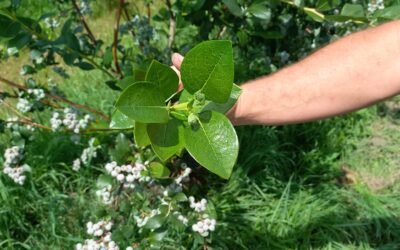
IDZIE WIOSNA!
IDZIE WIOSNA! Wiadomo, początek marca i zaczyna się wegetacja. Powstaje pytanie co zrobić żeby borówki w tym roku lepiej porosły aby dać lepszy i zdrowszy plon owoców za mniejsze pieniądze wydane na ochronę i nawożenie. Oczywiście większość zwolenników chemicznych...
Noworoczne rozważania o mikoryzie i nie tylko!
Noworoczne rozważania o mikoryzie i nie tylko❗️ I znowu minął sezon wegetacyjny z nowymi doświadczeniami. Zieleń miejska i osiedlowa wpływa bezpośrednio na nasze zdrowie i samopoczucie. Dostrzegamy coraz więcej starannie utrzymanych drzew i krzewów w naszym...
Nasze sukcesy borówkowe
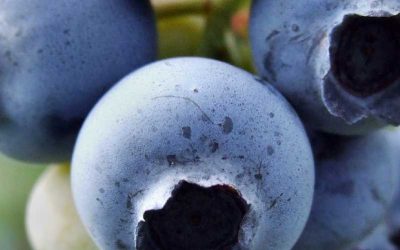
Otrzymałem w odstępie 3 tygodni dwa komplety zdjęć z posadzonych w Hiszpanii borówek zamikoryzowanych naszą szczepionką. Hiszpanie nie mogą się nadziwić jakości tych sadzonek; ich dynamiki wzrostu i zdrowotności. Potwierdzeniem tego jest uznanie jakie wyraził włoski...
ROZWAŻANIA EKONOMICZNE
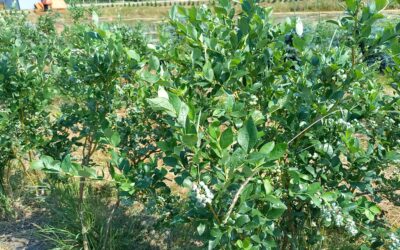
ROZWAŻANIA EKONOMICZNE❗️ Otrzymałem jakiś czas temu od Marty Staszewskiej (Berry Lu) bardzo ciekawe zestawienie. Dotyczy ono zalecanych zabiegów ochrony chemicznej i nawożenia na plantacji borówki amerykańskiej. Oczywiście każdy Plantator powie, przecież to...
Noworoczne rozważania i sugestie
Noworoczne rozważania i sugestie❗️ Ubiegły 2024 rok był dość bogaty w nowe doświadczenia i obserwacje mikoryzowe. O wielu już napisałem ja, o innych Kamil Staszewski (BERRY LU), a o niektórych dowiedzieliśmy się z „sieci”, ale warto niektóre przypomnieć....

Nasze motto
© UWAGA! Wszystkie genotypy grzybów mikoryzowych (bez endomikoryz) są własnością firmy MYKOFLOR i podlegają ochronie prawa autorskiego, tak jak i inne materiały publikowane na stronach www.
UWAGA! Firma MYKOFLOR nie bierze odpowiedzialności za działanie preparatów określanych jako mikoryzowe na opakowaniach których nie jest umieszczone logo firmy( znak tow. zastrzeżony ) Jednocześnie informujemy, że wszystkie informacje dotyczące efektów działania preparatów zamieszczone na naszej stronie odnoszą się tylko i wyłącznie do preparatu „Żywa grzybnia mikoryzowa” firmy MYKOFLOR.
projekt i realizacja